The Enmeshment/Undeveloped Self Schema: When You Don't Know Where You End and Others Begin

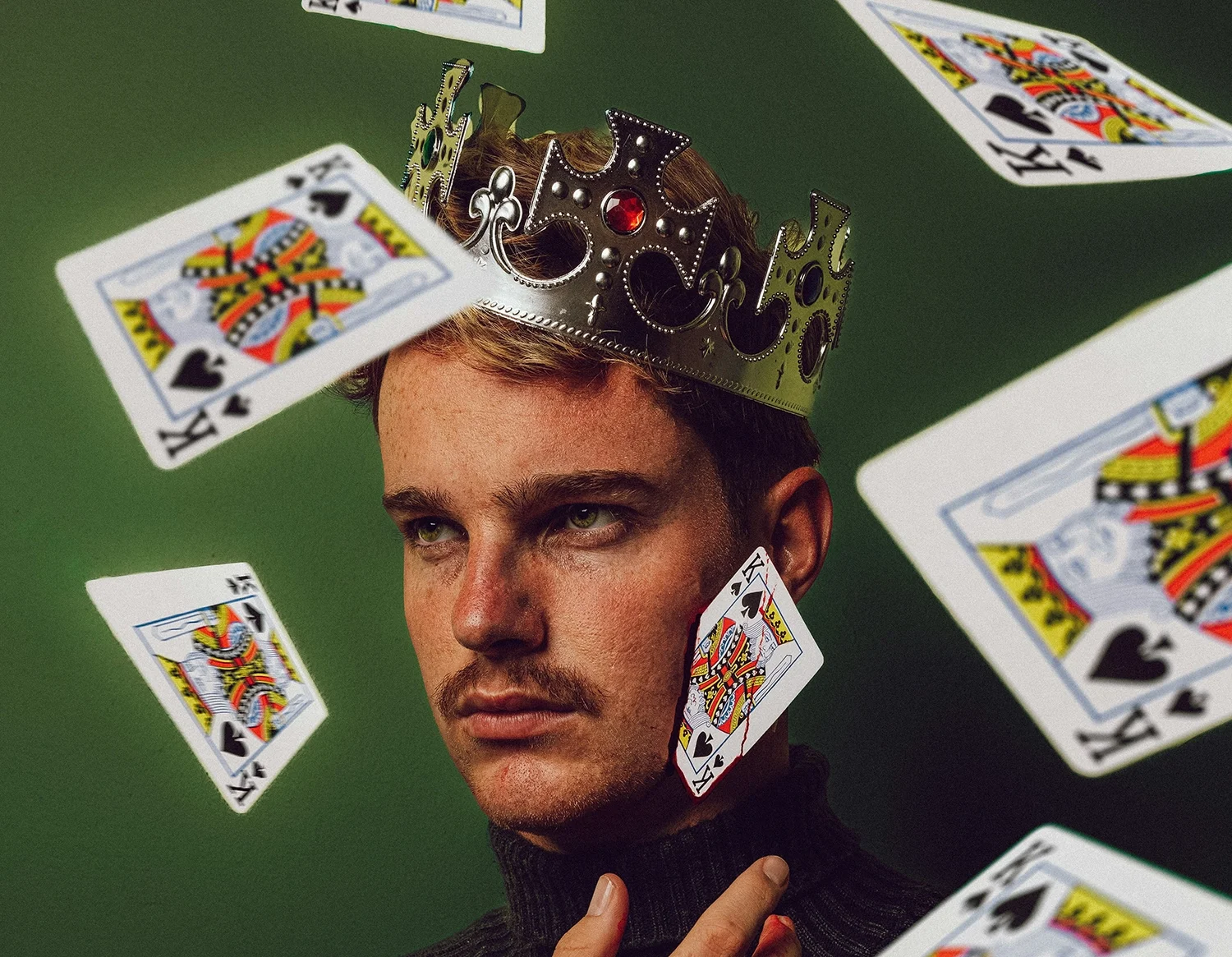
At its core, the enmeshment and underdeveloped self schema says: I cannot be truly separate from the people I am close to — my identity is bound up in theirs.
What Is the Enmeshment/Undeveloped Self Schema?
The Enmeshment/Undeveloped Self schema develops when the boundaries between a person and the important people in their life, most often a parent, were never quite clear. Rather than being encouraged to develop a distinct identity, preferences, and inner life, the person grew up in an emotional environment where separateness felt unsafe, disloyal, or simply impossible. The result is an adult who may struggle to know what they actually think, feel, want, or value, independent of what others think, feel, want, or value.
This schema can be difficult to recognise from the inside, precisely because the fusion it describes can feel like closeness, love, or loyalty. To someone who has grown up in an enmeshed family system, this simply feels normal. It is only when someone tries to make an independent decision, establish a boundary, or simply ask themselves what they actually want — and finds they feel guilty, genuinely don't know how, or meets strong resistance from the system around them — that the schema begins to reveal itself.
At its core, this schema says: I cannot be truly separate from the people I am close to — my identity is bound up in theirs. I’m ok if you’re ok.
People With This Schema May…
Struggle to identify their own preferences, opinions, or desires independent of others
Feel guilty or anxious when making choices that differ from what a parent or partner would want
Have a strong sense of obligation to remain emotionally close to certain people, even at personal cost
Feel responsible for the emotional wellbeing of a parent or partner in ways that lead to over-involvement or taking on too much responsibility for the other's feelings. This can show up in a couple of ways:
Sometimes enmeshment leads to absorbing the other person's emotional state. If they are anxious or angry, you feel it too — their distress becomes your distress. In a sense, they need to be okay in order for you to be okay. "I am anxious when my partner is anxious."
Sometimes enmeshment leads to covering up or protecting a partner or family member, struggling to allow them to experience the natural consequences of their own actions. For instance, a partner of someone struggling with substance use may find themselves making excuses, hiding the problem, or managing the fallout on their behalf.
Find it hard to make decisions without consulting others, not from incompetence, but from uncertainty about what they actually want
Experience a vague but persistent sense of not knowing who they really are, or find it difficult to differentiate their own viewpoints and ideas from those of the people around them.
Struggle with separation from important attachment figures, even in adulthood, where separation or independent decision-making can bring up feelings of guilt, pressure, or confusion.
The Paradox of This Schema
The paradox of the Enmeshment schema is that what was framed as closeness, and may have genuinely felt like love, actually prevented the development of the very self that makes real intimacy possible. True connection requires two distinct people. When the boundaries between self and other are blurred, relationships become about merging rather than meeting, and the person with this schema may find themselves in relationships where they lose themselves entirely, not out of weakness, but because separateness was never really modelled or permitted.
Core Needs That Went Unmet
This schema typically develops in families where individuation was discouraged, either explicitly or through the emotional dynamics of the household. It can also develop when a child felt they needed to look after a caregiver, and learned to take responsibility for the emotions of the people around them from an early age. Core needs that went unmet may include:
Encouragement to develop a separate identity — having caregivers who were genuinely curious about who the child was becoming, not just who they needed the child to be
Permission to disagree — an environment where having different opinions, preferences, or feelings from a parent was safe and accepted
Emotional separateness — not being made responsible for a parent's emotional state or used as a primary source of comfort and companionship
Support for independence — being encouraged to explore, individuate, and gradually become their own person without guilt or anxiety
Permission to be separate — being allowed to have their own feelings, needs, and inner world without those being secondary to or in service of the caregiver's wellbeing.
The freedom to be a child — being allowed to focus on their own development, play, and age-appropriate concerns rather than monitoring or managing an adult's emotional state.
These needs may have gone unmet in families where a parent was emotionally dependent on the child, where closeness was prized above individuality, where disagreement felt like betrayal, or where the child learned that their separateness caused a parent distress.
Typical Core Beliefs
"I don't really know who I am outside of my relationships."
"It feels wrong — even selfish — to put my own needs first."
"I find it hard to make decisions without checking what others think."
"Being too independent feels like a kind of betrayal."
"I feel responsible for how the people close to me are feeling."
"I'm not sure what I actually want — separate from what others want for me."
Schema Modes: Surrender, Avoidance & Overcompensation
When we develop a schema, we also develop ways of coping with it. Schema therapy describes three broad coping styles: 1) surrendering to the schema and living as though it is completely true; 2) avoiding situations that trigger it; or 3) overcompensating by behaving in the opposite direction. None of these coping styles resolve the underlying wound, but they can feel necessary, and often develop long before we have any conscious awareness of them. You may recognise yourself in one, or in all three at different times.
Surrender — Going Along With the Schema
Surrendering to the enmeshment schema means continuing to live in fusion with others, making choices based on what significant others want, absorbing their emotions as one's own, and never quite developing or asserting a separate sense of self.
Example: At 38, Caroline still speaks to her mother three or four times a day. Most of her major life decisions, where she lives, her career, her relationships, have been shaped around her mother's preferences and emotional reactions. She loves her mother deeply and doesn't experience this as a problem most of the time. But when a therapist once asked her what she wanted, not her mother, not her partner, but her, she sat in silence for a long time.
Avoidance — Staying Away From the Trigger
Avoidance can look like cutting off from relationships entirely — maintaining distance from family or avoiding close relationships altogether, in order to protect a fragile sense of self that feels easily overwhelmed or absorbed by others.
Example: After years of feeling consumed by his family's expectations, Joel moved interstate and reduced contact significantly. He values his independence fiercely and keeps most relationships at arm's length. He tells himself he's simply self-sufficient. But the distance that protects him from losing himself also keeps genuine intimacy, and a deeper sense of identity, just out of reach.
Overcompensation — Fighting Against the Schema
Overcompensation can show up as a fierce, sometimes rigid insistence on independence and self-definition, reacting strongly to any perceived intrusion on autonomy, or defining oneself primarily in opposition to others rather than from a genuinely grounded sense of self.
Example: Sasha prides herself on never being influenced by anyone. She makes every decision alone, resists advice, and can become defensive when people offer opinions she didn't ask for. She has worked hard to be nothing like the enmeshed family she grew up in. But her identity is still defined largely in relation to others, just in opposition rather than fusion. The self she's constructed is more a reaction than a discovery.
Working Through the Enmeshment Schema: How Therapy Can Help
Schema therapy is a structured, evidence-based approach developed by Dr Jeffrey Young that integrates cognitive-behavioural therapy with attachment theory, experiential techniques, and an understanding of early unmet needs. Rather than focusing solely on managing symptoms, schema therapy works at a deeper level, exploring where painful patterns began, and what the younger, more vulnerable part of you needed but didn't receive.
Therapy can be a meaningful space for beginning to explore the Enmeshment schema. With support, people can start to develop curiosity about their own inner world, including what they feel, value, and want, separate from the people they love. This process of individuation can feel unfamiliar, even frightening at first. But gradually, developing a clearer sense of self doesn't mean caring less about others, it means having more of yourself to bring to the relationships that matter.
For individuals, Online Schema Therapy | Kylie Walls Psychology offers a compassionate space to explore your schemas and begin to understand the patterns that have shaped your relationships.
If relationship dynamics are at the centre of your experience, Schema Therapy for Couples | Kylie Walls Psychology can support both partners in understanding how their schemas interact — and in finding a way to relate to each other with greater awareness and care.
You can contact psychologist Kylie Walls here:
References
Young, J. E., Klosko, J. S., & Weishaar, M. E. (2003). Schema therapy: A practitioner's guide. Guilford Press.
Young, J. E., & Klosko, J. S. (1994). Reinventing your life: The breakthrough program to end negative behaviour and feel great again. Plume.
More Blog Posts about Schemas & Modes: