
Marriage counselling and couples counselling for when you face challenges in relationships
RELATIONSHIP SUPPORT
Are you feeling disconnected, constantly arguing, or struggling with sadness, resentment, or loneliness in your relationship? Relationship Therapy is available to help you navigate the challenges of intimate relationships and work toward healing and connection.
Couples therapy and Marriage Counselling provides a structured space to explore the patterns that keep you feeling stuck — whether that’s ongoing conflict, disconnection, or unspoken resentment. A psychologist can help you identify unmet needs, improve communication, and rebuild trust. The goal isn’t about assigning blame but understanding what each partner experiences in the relationship and developing healthier, more supportive ways of relating. Over time, this process can foster empathy, closeness, and renewed commitment.
ABOUT MARRIAGE COUNSELLING
Support for fighting, communication breakdown and emotional distance in your marriage
Many couples find that communication difficulties are at the heart of ongoing tension or disconnection. You may feel unheard, invalidated, or caught in repeated arguments that never seem to resolve. Couples therapy provides an opportunity to slow down these interactions, understand what drives them, and learn skills to listen, respond, and express your needs more clearly and calmly.
Evidence-based approaches such as Schema Therapy for Couples, the Gottman Method, and Emotion-Focused Therapy (EFT) focus on identifying each partner’s underlying emotional needs and attachment patterns. You’ll learn to express vulnerability instead of defensiveness and respond to one another in ways that build safety and emotional closeness. Over time, these changes can transform the way you relate — reducing tension, deepening understanding, and restoring a sense of connection that may have felt lost.
"A great marriage is not when the 'perfect couple' comes together. It is when an imperfect couple learns to enjoy their differences." — Dave Meurer
Rebuilding trust after betrayal, secrecy, or significant hurt is one of the most challenging yet rewarding processes in couples therapy. When trust is damaged, both partners often experience a mix of pain, fear, guilt, or resentment. Therapy provides a structured and compassionate space to unpack these emotions safely, understand what contributed to the breakdown, and begin the gradual work of repair.
Through guided conversations, you’ll have the opportunity to express hurt and remorse in ways that promote healing rather than blame. A psychologist can help both partners learn what rebuilding safety looks like — through consistency, transparency, empathy, and accountability. While recovery takes time, many couples find that the process not only restores trust but also leads to deeper honesty, renewed respect, and a stronger emotional bond built on authenticity and mutual care.
Support when trust has been broken in marriage
HOW THEY FIT TOGETHER
Schema Therapy for Couples looks at the history. Each of you arrives in this relationship with patterns — schemas — laid down long before you met. When two sets of schemas collide, the same fight keeps replaying. Schema work helps you both see those patterns, recognise when they're firing, and step out of the loop on purpose.
EFT looks at the emotional bond. Underneath most arguments is a more vulnerable feeling — fear of being too much, too little, unloved, alone — and a familiar dance the two of you have learned to do around it. EFT helps you slow that dance down, name what's actually happening underneath, and reach for each other in a way that finally lands.
Gottman looks at the structure. From decades of observing couples in research labs, the Gottman Method identifies the specific behaviours that predict relationship distress and the specific skills that protect against it — how to raise an issue gently, how to repair after a fight, how to stay connected when life gets busy. Practical, teachable, measurable.
Three lenses on the same relationship.
"We are born in relationship, we are wounded in relationship, and we can be healed in relationship." — Harville Hendrix
THE THREE APPROACHES
A description of the approaches for couples therapy
A short brief on each — the kind of patterns it's best matched to, and what a session typically looks like.Schema Therapy for Couples
When childhood patterns keep firing in adult love. We identify each partner's schemas, see how they collide, and learn to recognise and step out of the loop in real time. Full Schema for Couples page →
Emotionally Focused Therapy
Emotionally Focused Therapy, developed by Dr Sue Johnson. We slow down the recurring fight, find the more vulnerable feelings sitting under it, and help each partner reach for the other from that softer place. Sessions feel emotional and slow on purpose.
Gottman Method
Built from Drs John and Julie Gottman's forty years of research. Structured tools for healthy conflict, repair, friendship, and shared meaning. We diagnose what's actually happening between you, then teach the specific skills that move it.
Schema Therapy for Couples can be particularly helpful if you:
WHEN IT CAN HELP
Experience patterns where one or both partners over-accommodate, withdraw, pursue, or keep emotional distance, leading to ongoing tension or misunderstanding.
—
Want to better understand each other, strengthen emotional safety, and build a more secure and connected relationship together.
—
—
Understand, logically, that certain relationship patterns aren't helpful, yet find them difficult to shift despite repeated efforts.
Often feel disconnected, hurt, or disappointed in your relationship, but struggle to understand why the same issues keep arising.
—
Feel caught between trying to be "good enough" for your partner and still carrying a sense of disappointment, criticism, or inadequacy within the relationship.
—
Notice strong emotional reactions between you and your partner that feel out of proportion or hard to explain afterwards.
—
—
Recognise that earlier life experiences or past relational wounds may be influencing how you relate to one another now.
—
One or both of you are already doing schema therapy, and want to bring what's coming up in your sessions into the relationship.
Schema Therapy for Couples is an evidence-based approach that helps partners uncover the deeper patterns that sit beneath ongoing conflict, emotional distance, or repeated relationship cycles. Rather than focusing only on surface behaviours or communication strategies, it works at the root—addressing unmet emotional needs and long-standing patterns that can leave couples feeling stuck or disconnected. Many couples seek Schema Therapy after trying approaches such as communication skills training or solution-focused therapy. While these can be helpful, some couples notice the same patterns continue to resurface, particularly during stress or emotional vulnerability, and are looking for deeper, more lasting change.
YOU MIGHT BE LOOKING FOR
Related areas of support
SERVICE
Marriage Breakdown
& Betrayal
SERVICE
Couples Therapy Modalities
APPROACH
Schema Therapy for Couples
“
“A lasting relationship is built by two people who can weather the storms and still hold each other close.”
KYLIE WALLS · REGISTERED PSYCHOLOGIST
Have questions about couples therapy?
Q&A-
Yes. Research shows that online therapy can be just as effective as face-to-face sessions for a wide range of concerns, including depression, anxiety, trauma, and relationship issues. It also offers convenience, privacy, and access to support regardless of location. All sessions are conducted via a secure telehealth platform.
Online couples therapy can be just as effective as in-person sessions for most couples. It offers the same structured, evidence-based support — including Schema Therapy for Couples and the Gottman Method — in a flexible and accessible format. Many couples find online sessions more comfortable and convenient, allowing both partners to join from different locations if needed. The focus remains on creating a safe, supportive space to communicate openly, rebuild connection, and work toward shared goals. All you need is a private, quiet space and a stable internet connection.
-
Couples therapy draws on evidence-based approaches, including Schema Therapy for Couples, The Gottman Method, and Emotion-Focused Therapy (EFT). Schema Therapy helps partners identify long-standing emotional patterns (or “schemas”) that influence how they think, feel, and react in relationships. The Gottman Method focuses on strengthening friendship, improving communication, and reducing conflict through practical skills that help couples reconnect and work as a team. Together, these approaches promote understanding, empathy, and lasting change by combining emotional insight with practical tools for daily life.
-
Schema Therapy for Couples explores how early life experiences shape the emotional patterns and “modes” that influence our relationships as adults. When stress or conflict arises, these modes—such as withdrawal, criticism, or over-compliance—can take over and create distance. In therapy, you’ll learn to recognise these patterns and understand the vulnerable emotions driving them. The focus is on compassion and repair rather than blame. Couples work toward meeting each other’s core emotional needs in healthy, secure ways, leading to deeper connection, trust, and emotional safety within the relationship.
-
The Gottman Method is a research-based framework that helps couples build stronger relationships through improved communication, emotional attunement, and conflict management. Using decades of research, it identifies behaviours that strengthen or weaken relationships. In therapy, couples learn practical tools to reduce criticism and defensiveness, increase fondness and respect, and enhance shared meaning. Over time, these skills help partners rebuild trust, foster friendship, and create a stable foundation for lasting connection. -
Yes. That is one of the benefits of seeking Marriage counselling or couples therapy from a psychologist with experience in the treatment and diagnosis of mental health conditions. Trauma or mental health challenges can affect how partners connect, communicate, and respond to stress or conflict. Couples therapy provides a supportive space to understand these reactions and develop strategies to respond to one another with empathy and care. Schema Therapy is particularly helpful in identifying how past experiences and emotional patterns influence current relationship dynamics, while Gottman-informed approaches offer practical tools to build stability, trust, and emotional safety. Through this process, couples can strengthen their relationship, foster resilience, and move toward greater understanding and connection. If Kylie feels that individual therapy or additional assessment would also be of benefit, she will make this recommendation during your sessions.
-
The length of therapy varies depending on the nature of your concerns and the goals you set together. Some couples notice meaningful progress after six to ten sessions focused on communication or conflict repair, while others choose to engage longer-term to explore deeper emotional or relational patterns. Schema Therapy for Couples and the Gottman Method are both flexible frameworks that can be tailored to your pace and priorities. Regular review points ensure the process remains focused and helpful. -
It’s possible to attend a single session if you have a specific concern you’d like to discuss or need guidance on one issue. However, couples therapy is generally most effective when there is a commitment to several sessions — usually four or more — to allow time for understanding patterns, practising new skills, and creating lasting change. In some cases, I work with couples over a longer period as they invest in rebuilding trust, improving communication, and strengthening their relationship foundation. The length of therapy depends on your goals and the level of support that feels most helpful for you both. -
Yes. Couples therapy can be valuable even when one or both partners are uncertain about the future of the relationship. Therapy provides a neutral and supportive space to clarify what has led to this point, explore underlying needs and emotions, and consider what each person hopes for moving forward. The focus is not on forcing a decision but on creating understanding, reducing conflict, and helping both partners make thoughtful choices about their next steps — whether that involves rebuilding the relationship or separating with care and respect.
-
Couples therapy is not always appropriate when there is ongoing domestic or family violence, as safety must always come first. In situations where one partner feels fearful, controlled, or unsafe, individual support is usually the best starting point. However, when there has been violence in the past and both partners feel safe, stable, and motivated to work toward accountability and change, therapy may be considered carefully and with clear boundaries in place.
If you are unsure, please reach out. Depending on your circumstances, I may suggest that each of you seeks individual support first, or that we begin with a risk and safety assessment through separate individual sessions. However, if you are currently experiencing fear, control, or violence in your relationship, please contact emergency services or a specialist support service such as 1800RESPECT (1800 737 732) for 24-hour confidential support and advice. Your safety and wellbeing are the highest priority.
-
Yes. Pre-marriage counselling can be a valuable way to strengthen your relationship before marriage or a long-term commitment. Sessions focus on developing healthy communication, exploring expectations, understanding values and beliefs, and learning practical strategies for navigating future challenges together. Whether you’re wanting to build a strong foundation, prepare for changes ahead, or explore how faith and values shape your relationship, therapy provides a supportive space to deepen understanding and connection. -
Marriage counselling is most effective when both partners are willing to participate openly and take responsibility for their part in the relationship. It tends to be less effective when one or both partners attend primarily to prove a point, assign blame, or have already emotionally disengaged from the relationship. Counselling can also stall when communication outside sessions becomes hostile or when patterns of control, contempt, or avoidance continue unchecked.
Progress takes time and requires honesty, consistency, and a shared commitment to change — even when the process feels uncomfortable. A psychologist can help guide the work, but lasting improvement depends on both partners being willing to reflect, take small risks toward vulnerability, and apply what’s learned between sessions.
To take the next step, book an confidential online session with psychologist Kylie Walls and access compassionate, trauma-informed support wherever you are in Australia.
I offer schema therapy for individuals and couples, providing an approach that addresses long-standing emotional and relationship patterns to support meaningful, lasting change.

Schema Therapy for individuals focuses on identifying and healing long-standing emotional patterns that shape how you see yourself, relate to others, and respond to stress. By addressing unmet emotional needs and the coping styles developed to manage them, this approach supports deeper insight, emotional regulation, and lasting change — particularly where difficulties have been present for a long time.
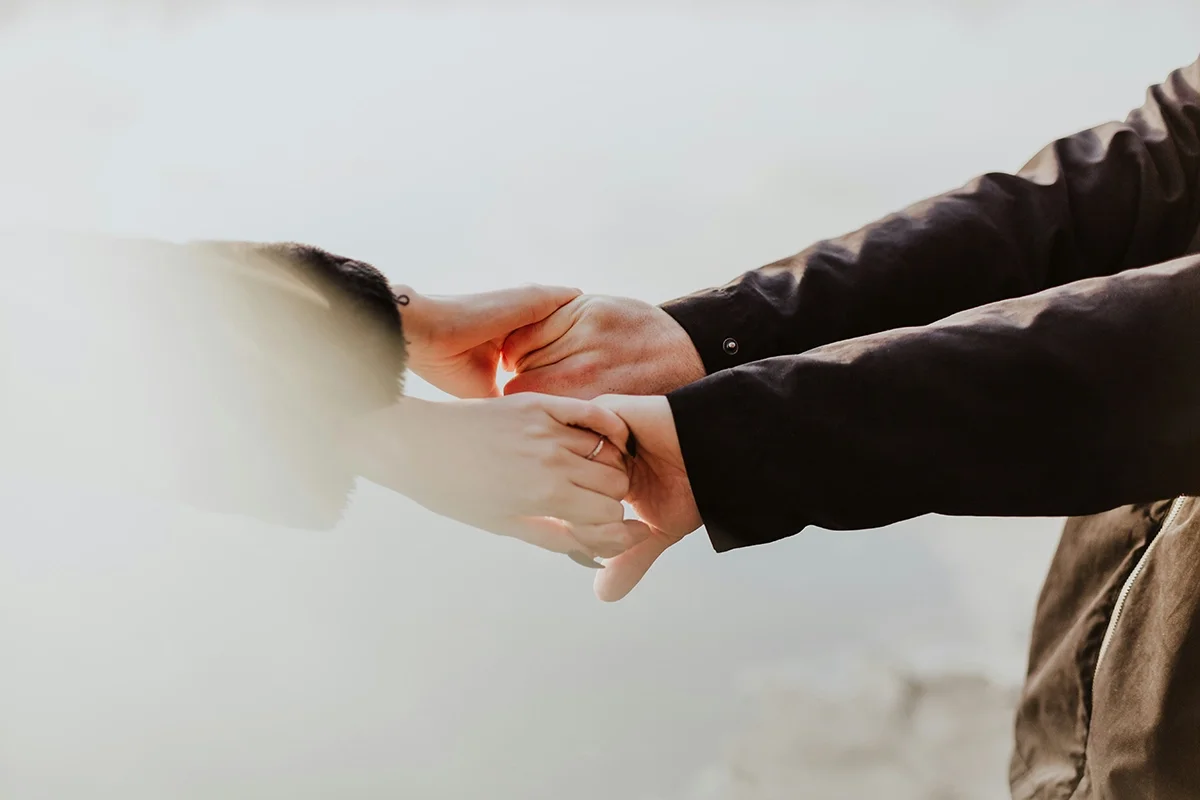
Schema Therapy for couples helps partners understand how their individual schemas and coping patterns interact within the relationship, often creating cycles of misunderstanding, conflict, or emotional disconnection. By increasing awareness, strengthening emotional safety, and supporting healthier ways of responding to one another, this approach can foster greater empathy, communication, and more secure connection over time.
View the Lastest on the Blog



BEGIN
Ready to take the first step?
Online appointments throughout Australia. No referral required.