
The BLOG · writing on therapy & GROWTHReflections on therapy, relationships, and the slow work of recovery from abuse and harm.
Articles exploring schema therapy, mental health, trauma recovery, and emotional wellbeing — For people doing the slow work of understanding themselves, their relationships, and the harm they've lived through.
featured · most recent


One Chance to Listen: What Rachael Denhollander’s Story Teaches Us About Believing Survivors
This article explores why many survivors of abuse remain silent for years and how silence can function as a powerful survival strategy. Using Rachael Denhollander’s experience of speaking out against Larry Nassar, the piece highlights the role of fear, shame, disbelief, and the nervous system’s freeze response in keeping survivors quiet. It also examines betrayal trauma, where abuse is perpetrated by someone trusted or depended upon, making disclosure feel even more dangerous. The article emphasises the profound impact of being believed, the importance of creating safe spaces for disclosure, and how finding one’s voice—when the time is right—can be a meaningful step toward healing and reclaiming agency.
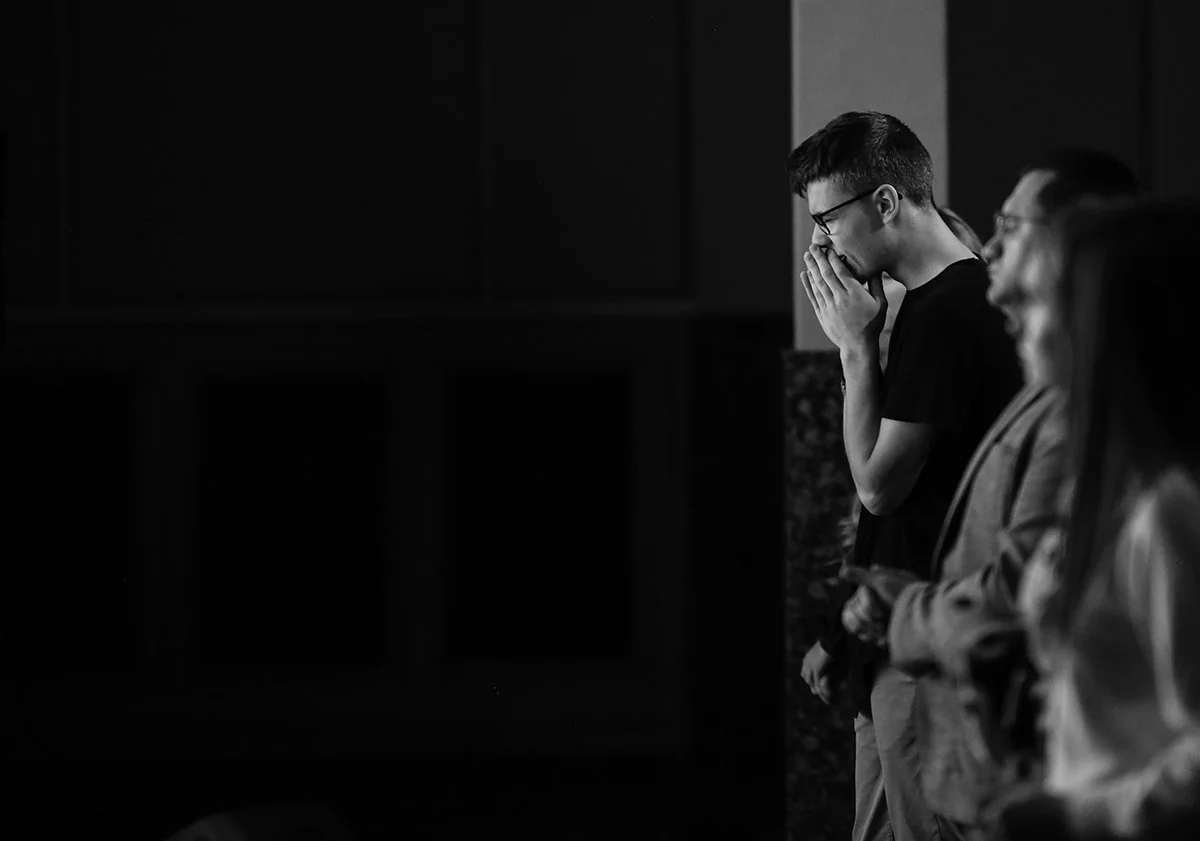
Scrupulosity and Attachment to God: Why Early Bonds Can Make Faith, Life and God Feel Scary
Scrupulosity—religious OCD—can make faith feel like constant fear of disappointing God. Psychologist Kylie Walls explains that these struggles often stem from deeper attachment patterns shaped in childhood and reinforced by harmful spiritual environments. When leaders are controlling or shaming, the nervous system may learn to view God the same way. Healing is possible with supportive, evidence-based therapy.

Understanding Adult Clergy Exploitation: Understanding the Patterns of Betrayal and Abuse
Adult clergy sexual exploitation is not an ‘affair’ but a betrayal of trust, power, and spiritual authority. This article explains the stages of grooming in clergy sexual abuse, highlighting patterns of coercive control, manipulation, and boundary violations. Learn how grooming erodes autonomy, the profound psychological and spiritual impact on survivors, and why survivor-centred, trauma-informed responses are essential for healing, justice, and safer faith communities.

let's get started