
Psychologist for Scrupulosity (Religious OCD)

"Faith is meant to bring peace—but for some, it becomes a source of relentless doubt, fear, and inner turmoil."
Scrupulosity, sometimes called religious or moral OCD, involves intense anxiety about sin, morality, or offending God. People living with scrupulosity often experience intrusive thoughts, excessive guilt, or repetitive mental or behavioural rituals aimed at feeling “pure” or certain of forgiveness. This can become exhausting and interfere with prayer, worship, or everyday life. As a psychologist experienced in both faith-related and clinical concerns, I provide evidence-based therapy — such as Exposure and Response Prevention (ERP) and Schema Therapy — to help you find peace and balance. Healing involves learning to trust, release fear, and reconnect with faith in a way that nurtures, rather than controls.
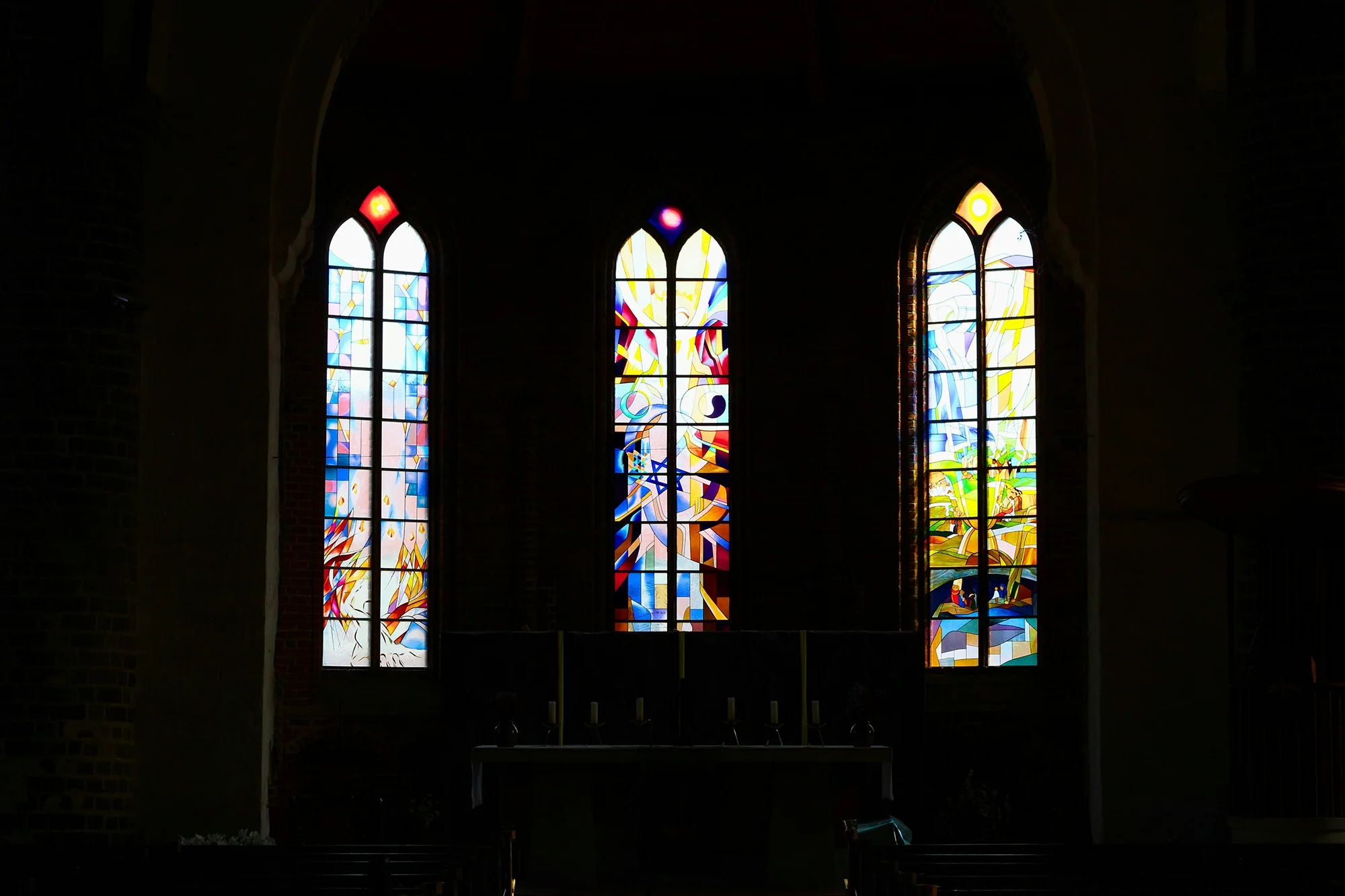
Faith Sensitive Psychological Support for Scrupulosity (Religious OCD)
Scrupulosity is a form of obsessive–compulsive disorder (OCD) where intrusive doubts, fears, or guilt become linked to faith, morality, or spiritual purity. While genuine faith encourages reflection and growth, Scrupulosity distorts this process — turning spirituality into a source of anxiety rather than peace. Individuals often feel trapped in cycles of confession, reassurance seeking, or avoidance of anything that might offend God or violate a moral rule.
From a psychological perspective, Scrupulosity reflects the same underlying mechanisms as other forms of OCD: intrusive thoughts trigger distress, leading to compulsive behaviours that provide short-term relief but strengthen the anxiety long-term. In therapy, the goal isn’t to weaken a person’s faith but to separate faithful devotion from compulsive fear. This distinction allows clients to re-engage with their beliefs in a way that fosters calm, compassion, and spiritual safety rather than exhaustion and shame.
Answering some questions about treatment for scrupulosity and religious ocd✾
How can therapy help with Scrupulosity?
Therapy helps by breaking the cycle of obsession and compulsion while addressing the deeper fears driving them. Evidence-based approaches such as Cognitive Behavioural Therapy (CBT) and Exposure and Response Prevention (ERP) teach clients to sit with intrusive thoughts without performing compulsions like mental reviewing, reassurance seeking, or ritualised prayer. Over time, this reduces anxiety and restores a sense of peace and autonomy in one’s faith life.
Schema Therapy can deepen this work by helping clients identify and heal underlying patterns of fear, guilt, and perfectionism. Many also benefit from trauma-informed or EMDR approaches when intrusive fears are linked to earlier religious or familial experiences of control or shame. Therapy does not require you to abandon your faith; instead, it aims to help you connect with it in a way that feels compassionate, grounded, and life-giving — freeing faith from fear.
✾
Is online therapy effective for treating scrupulosity?
Yes. Online therapy is highly effective for Scrupulosity and offers additional benefits for those who may feel anxious discussing faith-related fears in person. Virtual sessions allow clients to engage from the privacy of their own environment, which can make it easier to practise exposure exercises and apply skills directly to everyday contexts — such as prayer, church participation, or moral decision-making.
Online sessions can incorporate CBT, Schema Therapy, and EMDR, all tailored to a faith-sensitive approach. Many clients appreciate being able to access specialised psychological support from anywhere in Australia, particularly when local clinicians may not understand the intersection of OCD and spirituality. With a stable internet connection and a safe, confidential space, online therapy provides the same level of professional care and therapeutic outcomes as in-person sessions.
✾
What causes scrupulosity to develop?
Scrupulosity can arise from a combination of biological, psychological, and environmental factors. People with OCD are often predisposed to heightened sensitivity to threat, guilt, or uncertainty. When this sensitivity intersects with a strong moral or religious framework, intrusive thoughts can attach to spiritual themes. For example, a passing doubt about faith or a fleeting “blasphemous” thought may feel catastrophic, creating an urgent need to neutralise the fear through confession, prayer repetition, or reassurance seeking.
From a Schema Therapy perspective, certain core schemas — such as unrelenting standards, punitive parent, or defectiveness/shame — often underpin scrupulous thinking. Early experiences of rigid rule-keeping, fear of punishment, or conditional love can shape an inner narrative where being “good” means being perfect. Understanding these schemas helps clients develop a gentler, more balanced inner voice, recognising that genuine faith involves grace, humility, and the capacity to tolerate uncertainty rather than endless self-correction.
Have questions about mental health support?
Q&A-
Yes. If you have a current Mental Health Treatment Plan from your GP, you may be eligible to receive a Medicare rebate for up to 10 individual psychology sessions per calendar year. These rebates help reduce the out-of-pocket cost for each session. You’ll need to provide a copy of your referral letter and MHTP prior to your first appointment.
-
Yes. In some cases, psychiatrists prescribe medication such as SSRIs to reduce obsessive thoughts and anxiety, making therapy more effective. Medication is most beneficial when combined with structured psychological support.
-
Scrupulosity develops from a mix of biological and psychological factors. Those with OCD are prone to intrusive thoughts and uncertainty intolerance. When combined with strict religious or moral frameworks, these thoughts become tied to guilt and fear. Schema Therapy identifies early patterns such as punitive parent, unrelenting standards, or defectiveness, helping clients break the cycle. -
Scrupulosity, also known as religious or moral OCD, can affect thoughts, emotions, and behaviours. Common symptoms include repetitive confession or reassurance seeking — for example, repeatedly asking clergy, friends, or loved ones if something was sinful or if forgiveness was “enough.” You may find yourself praying or repenting excessively, performing rituals to “cancel out” unwanted thoughts, or avoiding activities, people, or media that could trigger guilt or spiritual doubt. Some individuals avoid taking communion, reading certain scriptures, or attending church altogether because of overwhelming anxiety. Others experience distress over “impure,” “blasphemous,” or intrusive moral thoughts that feel uncontrollable, even though they contradict their genuine values.
Emotionally, Scrupulosity is often marked by chronic guilt, shame, fear of divine punishment, or dread of eternal separation from God. The constant mental checking and need for certainty can lead to exhaustion, indecision, and a loss of joy in faith practice. Many describe feeling spiritually paralysed — aware of their beliefs yet unable to find peace within them. Physical symptoms such as muscle tension, fatigue, sleep problems, or difficulty concentrating may also occur due to ongoing anxiety.
Over time, this cycle can erode confidence, self-trust, and the ability to engage meaningfully with one’s spirituality. Therapy for Scrupulosity focuses on breaking these patterns through compassionate, evidence-based care such as Schema Therapy, CBT, or EMDR, helping restore balance between healthy conscience and obsessive fear, and allowing faith to become a source of reassurance rather than distress.Online therapy is offered as long as it is deemed clinically appropriate and safe for your specific needs.
-
Schema Therapy helps by looking beneath the surface of scrupulosity to understand why certain fears and patterns have developed. Many people who experience religious or moral OCD have learned from an early age that being “good” means never making mistakes, disappointing others, or questioning authority. Over time, these lessons can become rigid beliefs that link worthiness with perfection. When combined with faith, these beliefs can make everyday doubts or intrusive thoughts feel like moral or spiritual failure.
In Schema Therapy, we explore these patterns gently and compassionately. Together, we identify the parts of you that feel afraid of being punished, ashamed of not measuring up, or convinced you must always do the “right thing.” Therapy helps you notice how those fears show up in daily life — in overthinking, excessive praying, or seeking reassurance — and begin to respond to them differently.
Instead of focusing on rules and guilt, Schema Therapy helps you build self-understanding and emotional safety. It’s about learning to treat yourself with the same kindness you would offer someone else who is struggling. Over time, this approach helps reduce anxiety, quiet the inner critic, and create space for a healthier and more peaceful relationship with faith — one based on grace rather than fear.
-
Yes. OCD can affect anyone — including people with deep faith and strong moral convictions. In fact, OCD often attaches itself to the things that matter most to us. For someone whose faith is central to their life, intrusive thoughts may focus on religious themes such as sin, purity, prayer, or blasphemy. This doesn’t mean your beliefs have caused the problem; it means your mind has connected anxiety to the area of life you care about most.
Many people with strong faith worry that having unwanted or “bad” thoughts means they’re spiritually weak or disobedient. But intrusive thoughts are a symptom of OCD, not evidence of unbelief or moral failure. They are automatic mental events — often the opposite of what a person truly values. Therapy helps you recognise this difference so that these thoughts lose their power and no longer control how you feel or behave.
With the right support, you can learn to separate genuine spiritual experiences from OCD-driven fear and rituals. Faith-sensitive therapy acknowledges that your relationship with God or your belief system is important. Treatment doesn’t ask you to abandon your faith; it helps you reconnect with it in a calmer, grace-filled way — one that allows peace, freedom, and a renewed sense of trust to grow where anxiety once ruled.
How does Schema Therapy help treat Scrupulosity?
Schema Therapy helps by looking beneath the surface of scrupulosity to understand why certain fears and patterns have developed. Many people who experience religious or moral OCD have learned from an early age that being “good” means never making mistakes, disappointing others, or questioning authority. Over time, these lessons can become rigid beliefs that link worthiness with perfection. When combined with faith, these beliefs can make everyday doubts or intrusive thoughts feel like moral or spiritual failure.
In Schema Therapy, we explore these patterns gently and compassionately. Together, we identify the parts of you that feel afraid of being punished, ashamed of not measuring up, or convinced you must always do the “right thing.” Therapy helps you notice how those fears show up in daily life — in overthinking, excessive praying, or seeking reassurance — and begin to respond to them differently.
Instead of focusing on rules and guilt, Schema Therapy helps you build self-understanding and emotional safety. It’s about learning to treat yourself with the same kindness you would offer someone else who is struggling. Over time, this approach helps reduce anxiety, quiet the inner critic, and create space for a healthier and more peaceful relationship with faith — one based on grace rather than fear.
-
Schema Therapy can be particularly helpful for individuals whose depression is linked to long-standing patterns of thinking and relating that have developed from earlier experiences. It helps uncover and address deeply held beliefs — or “schemas” — about oneself and the world, such as feelings of failure, unworthiness, or fear of rejection. By understanding how these patterns formed and how they influence current emotions and relationships, clients can begin to respond to life’s challenges with greater self-compassion, resilience, and flexibility. Over time, this process supports emotional healing and helps build a more stable and positive sense of self.
-
To some extent, Scrupulosity and Moral OCD overlap — they are both forms of obsessive–compulsive disorder where intrusive guilt and fear centre around doing something “wrong.” The main difference lies in the focus of the obsession. Scrupulosity typically involves religious or spiritual concerns, such as fear of sinning, offending God, committing blasphemy, or failing to meet spiritual expectations. Moral OCD, on the other hand, focuses on ethical or moral issues — fears of being dishonest, hurting others, lying, or acting in a way that feels morally corrupt or hypocritical.
For people of faith, these two can feel almost inseparable. Religious beliefs often include strong moral values, so worries about being unethical can easily become tied to fears of sin or spiritual failure. Both types of OCD can lead to repetitive checking, confession, reassurance seeking, or avoidance of situations that trigger guilt or uncertainty. For example, someone might replay conversations to ensure they told the truth or pray repeatedly to “undo” a perceived wrongdoing.
From a therapeutic perspective, both Scrupulosity and Moral OCD share the same underlying mechanisms — intrusive thoughts, anxiety, and compulsive attempts to feel “pure” or certain again. Hence, we do not tend to focus on the type of OCD, but rather that the presentation fits with the typical patterns of OCD. Evidence-based approaches such as Schema Therapy and Cognitive Behavioural Therapy (CBT) help address these patterns by teaching new ways to tolerate uncertainty, manage guilt, and respond with self-compassion rather than fear. Over time, these strategies help restore confidence and peace, allowing you to live according to your values without being trapped by anxiety or self-doubt.
-
Supporting someone with Scrupulosity (religious or moral OCD) can feel confusing, especially when faith is involved. You might notice your loved one praying repeatedly, confessing often, asking the same moral or spiritual questions, or feeling tormented by guilt and fear. It’s natural to want to reassure them — to tell them they’re forgiven, that they haven’t sinned, or that everything is okay. Unfortunately, this kind of reassurance, while loving, often feeds the OCD cycle. It gives temporary relief but strengthens the anxiety long term, reinforcing the belief that certainty is the only path to peace.
A more helpful approach is to respond with empathy without providing reassurance. You might say, “I can see this is really distressing for you,” "lets look at your treatment plan and see what it recommends when you feel like this", or “I know that feels scary — maybe you can talk about this with your therapist next week?” Gently redirecting your loved one back to their psychologist or treatment plan supports recovery while maintaining compassion. Encourage them to seek help from a mental-health professional experienced in OCD, Scrupulosity, or Schema Therapy, ideally with a faith-sensitive approach that respects their beliefs.
It can also help to learn about OCD and how Exposure and Response Prevention (ERP) works, so you understand why avoiding reassurance or ritual participation is part of treatment. Take care of yourself, too — watching someone you love struggle can be emotionally draining. Setting boundaries, joining a support group, or seeking your own counselling can make it easier to stay calm and grounded. With patience, understanding, and consistent professional support, most people with Scrupulosity can recover and rebuild a more peaceful, grace-filled connection with their faith.
How can I start therapy for Scrupulosity or Religious OCD?
You can book an initial consultation with a psychologist who understands both faith and mental health. Together, you’ll explore your experiences, identify triggers, and develop a treatment plan using Schema Therapy, CBT, or EMDR. Early support can help you move from fear-based religion toward peace, confidence, and a healthy connection with your beliefs.
-
Scrupulosity follows the same cycle as other forms of obsessive–compulsive disorder (OCD), but the content of the worry is moral or spiritual. The pattern usually begins with an intrusive thought — for example, “What if I just sinned?” “What if I offended God?” or “What if I didn’t pray correctly?” These thoughts appear suddenly and feel threatening, even though they go against what you truly believe. The thought triggers intense anxiety, guilt, or shame, leading you to feel that something must be done to make it right.
To relieve the distress, a person performs a compulsion — perhaps confessing, praying repeatedly, mentally reviewing actions, avoiding certain words or situations, or asking others for reassurance. This brings short-term relief and a sense of spiritual safety. However, that relief doesn’t last. The brain learns that the only way to feel calm again is to repeat the ritual, which keeps the anxiety cycle going. The next time a similar thought appears, the fear feels just as strong, if not stronger.
Over time, this cycle can become exhausting and spiritually confusing. The person may feel constantly on edge, unsure whether their feelings come from genuine conviction or from anxiety. Therapy for Scrupulosity — particularly Exposure and Response Prevention (ERP) and Schema Therapy — helps break this pattern by teaching you to tolerate uncertainty, reduce compulsions, and respond with compassion rather than fear. The goal isn’t to weaken faith but to free it from the grip of anxiety so that peace, trust, and authentic spiritual connection can grow again.
-
Yes. Online therapy offers confidential, flexible support from anywhere in Australia. It’s particularly helpful for clients who feel anxious discussing religious doubts face-to-face or who live in areas without faith-sensitive psychologists. Online sessions can include CBT, Schema Therapy, and EMDR delivered safely via telehealth. -
You can book an initial consultation with a psychologist who understands both faith and mental health. Together, you’ll explore your experiences, identify triggers, and develop a treatment plan using Schema Therapy, CBT, or EMDR. Early support can help you move from fear-based religion toward peace, confidence, and a healthy connection with your beliefs.
-
Healthy conviction leads to growth and connection; scrupulosity leads to paralysis, shame, and repetitive guilt. If your faith feels dominated by fear or if prayer and confession feel driven by anxiety rather than devotion, you may be experiencing scrupulosity. A psychologist can help you differentiate between genuine faith and OCD-related fear.
To take the next step, book an confidential online session with psychologist Kylie Walls and access compassionate, trauma-informed support wherever you are in Australia.

Visit the About Schema Therapy page to learn more about Schema Therapy, and gain a better understanding of the schemas, modes and therapeutic process.

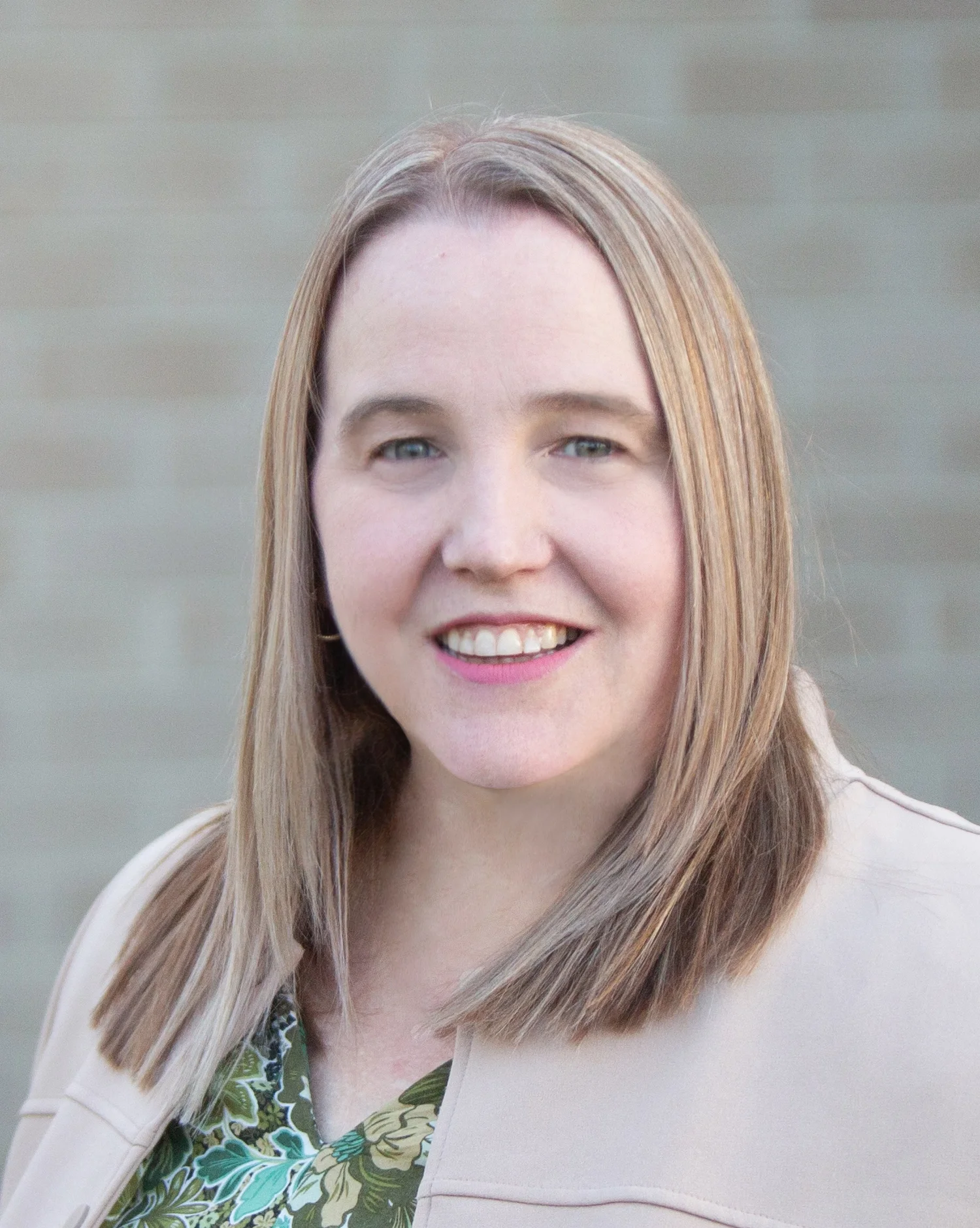
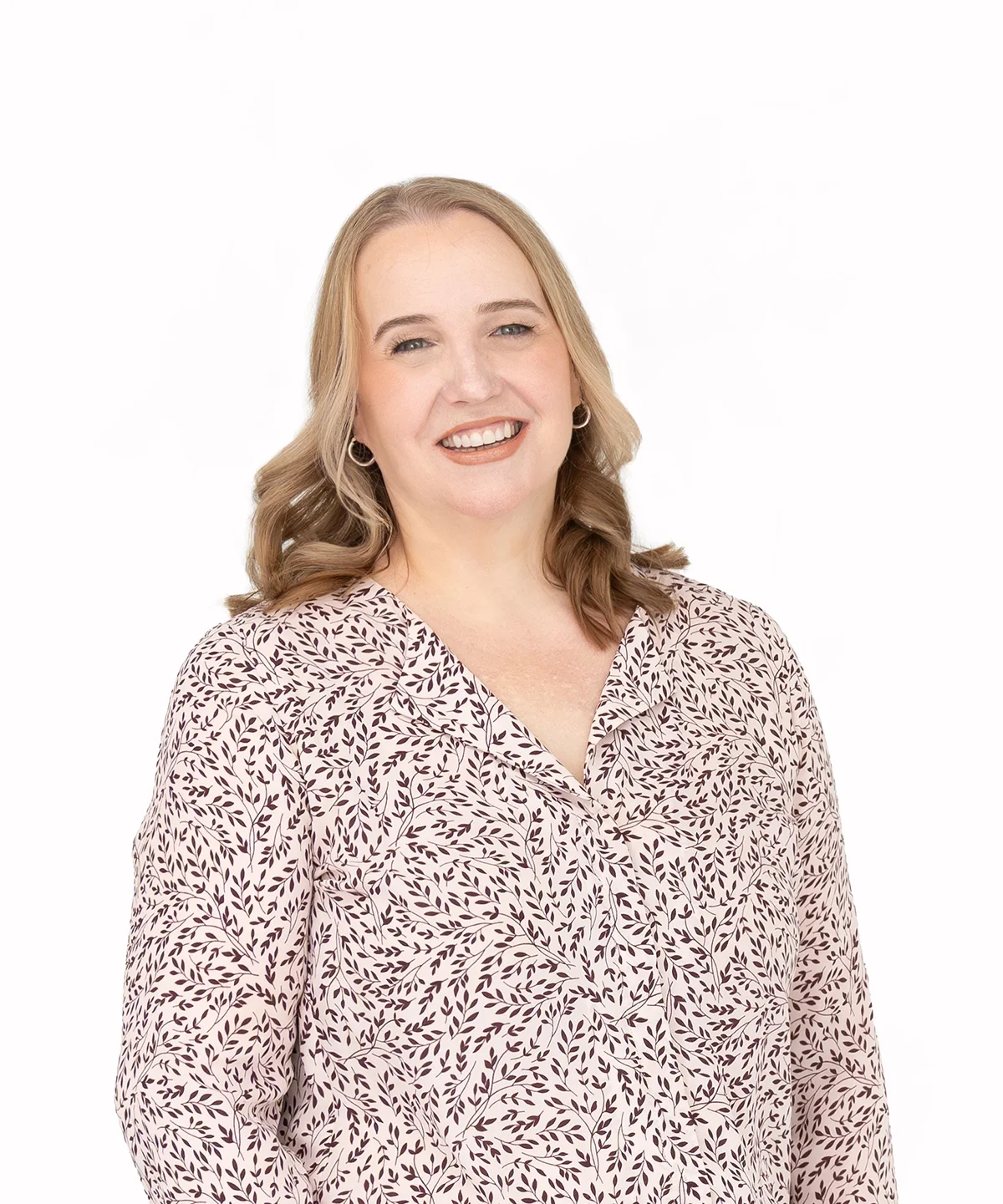
About meI’m Kylie Walls, a registered psychologist who utilises evidence-based approaches, particularly Schema Therapy, to help people understand and shift longstanding emotional and relational patterns
I work with both individuals and couples
I support people whose difficulties persist despite insight or previous therapy
My approach is collaborative, compassionate, and values-guided
I’m interested in how earlier relational or systemic experiences shape present-day difficulties, and in working with these experiences in ways that support greater choice and flexibility.
I aim to create a safe, thoughtful therapeutic space that supports deeper therapeutic work.
I welcome clients from all backgrounds
I’m able to offer a faith-sensitive approach where this is relevant and desired


let's get started