
For Christians seeking support from a Psychologist

"For many people of faith, the decision to seek psychological support comes with a quiet but important question: will my therapist understand where I'm coming from?"
Some people prefer to see a psychologist who has a shared cultural background, or who understands their community from the inside. For Christians, this might mean wanting a therapist who is familiar with church life, the language of faith and scripture, or the particular complexities that can come with faith. That preference is understandable.
I am a registered psychologist and a practising Christian. If you want to explore various aspects of faith within sessions — whether that's the role it plays in your difficulties, your relationships, or your sense of self — or simply want to feel fully understood in this area of your life, I aim to provide a safe space for this.
I have worked with clients from a wide range of faith traditions and welcome anyone who is looking for a psychologist who understands the important place that faith can hold in a person's life. Equally, I have a clear understanding that religious contexts can be a source of significant harm — and I am available to support those processing difficult experiences associated with their faith. Whether faith has been a source of meaning, of harm, or confusion, I am comfortable working with the full range of ways people experience and relate to faith.
Areas I have a particular interest in
I have a particular interest in the following areas where faith and mental health intersect:
Scrupulosity and moral OCD - Scrupulosity is a form of OCD centred on intrusive, distressing thoughts about sin, blasphemy, morality, or religious wrongdoing. It is frequently misidentified — sometimes as genuine spiritual failing, sometimes as generalised anxiety — and people can spend years without an accurate formulation. I work with scrupulosity using evidence-based treatment and understand how it presents specifically within a Christian context.
Spiritual abuse and religious trauma - If you have experienced manipulation, coercion, shame, or harm within a religious setting — from a leader, a community, or an institution — the effects can be both psychological and spiritual in nature. I take this seriously as a clinical presentation, not just as a pastoral concern.
Recovery from high-control religious groups - Leaving a high-control group or cult involves more than walking away. Identity, relationships, and meaning can all be destabilised in ways that take time to understand and rebuild. I work with people at various stages of this process, wherever they land in their beliefs.
Navigating doubt, and changes in faith and belief - For some people, faith is a source of steadiness; for others, periods of doubt or uncertainty are part of the journey. I can offer a space to explore what might be driving that uncertainty, including the psychological factors that can contribute to doubt, and to work through the decisions that can follow.
Ministry-related stress and burnout - People in pastoral and ministry roles often carry significant responsibility for others while having limited space to seek support themselves. I work with ministry workers, clergy, and church staff on issues including burnout, mental health challenges, moral injury, compassion fatigue, and the particular pressures of working and living within the same community.
Faith and mood and anxiety disorders - Depression, anxiety, and OCD can intersect in complex ways with religious belief — including guilt, shame, fear of divine judgment, and difficulty making sense of suffering. I am comfortable holding the clinical and the religious dimensions of these experiences together, and utilise evidence-based approaches to provide psychological support.
Trauma, including traumatic experiences within religious life - Trauma can arise in many contexts — including childhood and developmental trauma, sexual abuse, family violence, and traumatic experiences within religious settings such as spiritual abuse, harmful theology, or coercive religious practices. I work with trauma using evidence-based approaches, and understand the particular complexity that can arise when traumatic experiences have occurred within a context that also held deep personal or spiritual meaning.
Couples therapy - I work with couples navigating a range of relationship concerns, including relationship breakdown, conflict, and the aftermath of infidelity. For couples of faith, I understand the particular values, expectations, and pressures that can shape a relationship and its difficulties.
Recovery from domestic and family violence and coercive control - I work with people recovering from domestic and family violence and coercive control. This includes situations where faith or spiritual beliefs have been used as a means of control or justification for harm — a dynamic that can add significant complexity to the experience of abuse and to the process of recovery.
What to expect from treatment
As a registered psychologist, the treatment I offer is evidence-based — meaning the approaches I use are those demonstrated by research to be effective. All treatment is discussed with you, and if anything feels uncomfortable or doesn't sit well with your beliefs or values, we can talk about that openly and find an approach that works for you.
I am aware that for some people of faith, seeking psychological treatment can come with its own anxieties — including concerns about whether therapy is compatible with faith, or uncertainty about what it might involve. As someone who shares a Christian faith, I understand those reservations. I am happy to discuss any concerns you have before we begin and as we proceed with treatment, and to work with you to find an approach that you feel comfortable with and that fits within your broader values and beliefs.
A note on inclusivity
I work with people of all backgrounds and beliefs. You do not need to be Christian, or religious at all, to work with me. All registered psychologists in Australia are bound by a Code of Conduct, which requires a non-judgmental approach to every client regardless of their personal, cultural, or spiritual background. That standard applies here.
Get in touch
If you're looking for a psychologist who understands the language and experience of faith, or who has an understanding of religious trauma, scrupulosity, or the more complex territory that can come with a life shaped by belief, you are welcome to get in touch or request an appointment.

Have questions about Psychologist support for Christians?

Q&A-
Yes. If you have a current Mental Health Treatment Plan from your GP, you may be eligible to receive a Medicare rebate for up to 10 individual psychology sessions per calendar year. These rebates help reduce the out-of-pocket cost for each session. You’ll need to provide a copy of your referral letter and MHTP prior to your first appointment.
-
Yes. OCD can affect anyone — including people with deep faith and strong moral convictions. In fact, OCD often attaches itself to the things that matter most to us. For someone whose faith is central to their life, intrusive thoughts may focus on religious themes such as sin, purity, prayer, or blasphemy. This doesn’t mean your beliefs have caused the problem; it means your mind has connected anxiety to the area of life you care about most.
Many people with strong faith worry that having unwanted or “bad” thoughts means they’re spiritually weak or disobedient. But intrusive thoughts are a symptom of OCD, not evidence of unbelief or moral failure. They are automatic mental events — often the opposite of what a person truly values. Therapy helps you recognise this difference so that these thoughts lose their power and no longer control how you feel or behave.
With the right support, you can learn to separate genuine spiritual experiences from OCD-driven fear and rituals. Faith-sensitive therapy acknowledges that your relationship with God or your belief system is important. Treatment doesn’t ask you to abandon your faith; it helps you reconnect with it in a calmer, grace-filled way — one that allows peace, freedom, and a renewed sense of trust to grow where anxiety once ruled.
How does Schema Therapy help treat Scrupulosity?
Schema Therapy helps by looking beneath the surface of scrupulosity to understand why certain fears and patterns have developed. Many people who experience religious or moral OCD have learned from an early age that being “good” means never making mistakes, disappointing others, or questioning authority. Over time, these lessons can become rigid beliefs that link worthiness with perfection. When combined with faith, these beliefs can make everyday doubts or intrusive thoughts feel like moral or spiritual failure.
In Schema Therapy, we explore these patterns gently and compassionately. Together, we identify the parts of you that feel afraid of being punished, ashamed of not measuring up, or convinced you must always do the “right thing.” Therapy helps you notice how those fears show up in daily life — in overthinking, excessive praying, or seeking reassurance — and begin to respond to them differently.
Instead of focusing on rules and guilt, Schema Therapy helps you build self-understanding and emotional safety. It’s about learning to treat yourself with the same kindness you would offer someone else who is struggling. Over time, this approach helps reduce anxiety, quiet the inner critic, and create space for a healthier and more peaceful relationship with faith — one based on grace rather than fear.
-
Yes. Research shows that online therapy can be just as effective as face-to-face sessions for a wide range of concerns, including depression, anxiety, trauma, and relationship issues. It also offers convenience, privacy, and access to support regardless of location. All sessions are conducted via a secure telehealth platform.
-
Spiritual abuse is an area of particular interest in my practice. It can take many forms—sometimes it reflects clear patterns of coercive control, while at other times it emerges through shaming, manipulation, or rigid systems that erode autonomy and wellbeing. My own research has focused on control and coercive control, giving me a deep understanding of how these dynamics develop, why they are so damaging, and how they can be addressed in therapy.
In addition to my clinical training and research, I have also worked in both volunteer and work roles within Religious and Christian organisations. This has given me unique insight into how church and spiritual environments function—their potential for good, but also the ways power can be misused.
As a psychologist with faith, I recognise the central role spirituality can hold in people’s lives, and also the profound disorientation that occurs when trust in those environments is broken. This dual perspective allows me to walk with clients as they process harm, while honouring their faith journey and supporting them to find a safe and authentic way forward.
-
This is a common and very understandable fear. Survivors of spiritual abuse often feel stuck—longing for professional support, but worried that their faith will be misunderstood or dismissed. Some describe feeling like they have only two painful options: “Who do you go to? A Christian, who is part of the system who hurt you, or someone who doesn’t understand your faith? You don’t go anywhere” (Oakley, 2024).
All good counselling should provide a safe space where both your pain and your spirituality are respected. My approach is trauma-informed and sensitive to the unique wounds of spiritual abuse, while also recognising that many people long to preserve or rediscover their faith.
The goal is not to push you away from God or community, but to support you in processing what has happened and to help you find your own path forward—whether that involves reconnecting with a spiritual community in a safe and healthy way, or taking time to explore what faith now means for you.
-
No. My role is not to challenge or change your beliefs. I work with what matters to you, and if your faith is part of that, we can discuss aspects of it that you feel comfortable with.
-
That's a question a number of Christians bring to their first appointment. I'm happy to talk through any reservations you have. There's no obligation, and no pressure to engage in any aspect of treatment you do not feel comfortable with. Many Christians find that psychological support and faith complement each other well. Many faith leaders actively refer members of their church community to psychologists and counsellors, and see psychologists themselves, when mental health support is needed. The ethical requirements of psychologists, including a non-judgmental approach to personal, spiritual, and moral beliefs, mean that your faith will be respected throughout the process.
-
I understand the importance of prayer in spiritual life. If you are facing difficulties with your mental health and relationships, you may find it worth considering psychological support alongside prayer. Just as a person of faith would seek medical treatment for a broken leg or a cancer diagnosis, seeking psychological support for mental health difficulties is not a sign of weak faith or a lack of trust in God. When you engage a psychologist, you are seeking support from someone who has spent many years training in the science and practice of mental health. Many faith leaders actively refer members of their church community to psychologists and counsellors, and seek support for themselves, when mental health support is needed. Faith and psychological support do not need to be mutually exclusive, and many people find that the two work well alongside each other.
-
Yes. Scrupulosity — sometimes called moral or religious OCD — is a recognised and treatable condition. It is frequently misunderstood, including within church settings. I have a particular interest in this area and work with it using evidence-based approaches.
-
Yes. I understand that it is entirely possible to have been harmed within a religious context while still holding faith that is meaningful to you.
-
All treatment is discussed with you, and nothing is imposed. If something doesn't sit well with your values or beliefs, we talk about it and find an approach that works. You are not required to accept any aspect of treatment that feels incompatible with your faith.
-
In Australia, the title of psychologist is protected by law and regulated by AHPRA. To be registered as a psychologist, a person must have completed a minimum of six years of approved university training and supervised practice, and must meet ongoing registration and continuing education requirements. Registered psychologists are bound by a strict code of ethics and professional conduct. Psychologists are trained to formulate and diagnose mental illness, as well as being trained in evidence-based treatment of all psychological disorders. This includes counselling, psychoeducation, cognitive behavioural therapy, trauma-focused therapies, behavioural interventions, and psychological assessment, among other approaches.
The title of counsellor is not regulated in the same way in Australia. While many counsellors are well-trained and are members of professional associations, there is no legal requirement governing who can use the title, and training requirements vary considerably. Counsellors can offer valuable support for a wide range of personal and relational difficulties, and for many people this is an appropriate and helpful level of care.
Biblical counselling is a distinct approach that draws on scripture as the primary framework for addressing personal difficulties. Biblical counsellors are not required to hold psychological qualifications, and their approach differs significantly from evidence-based psychological treatment. For some people of faith, biblical counselling may feel like a natural first step, however for those with complex mental health challenges or trauma, psychological support may be beneficial instead of or in addition to this support.
Kylie is trained as both a psychologist and a counsellor, holding Master’s degrees in both disciplines. This means she brings aspects of both disciplines to her work.
To take the next step, book an confidential online session with psychologist Kylie Walls and access compassionate, trauma-informed support wherever you are in Australia.

Visit the About Schema Therapy page to learn more about Schema Therapy, and gain a better understanding of the schemas, modes and therapeutic process.

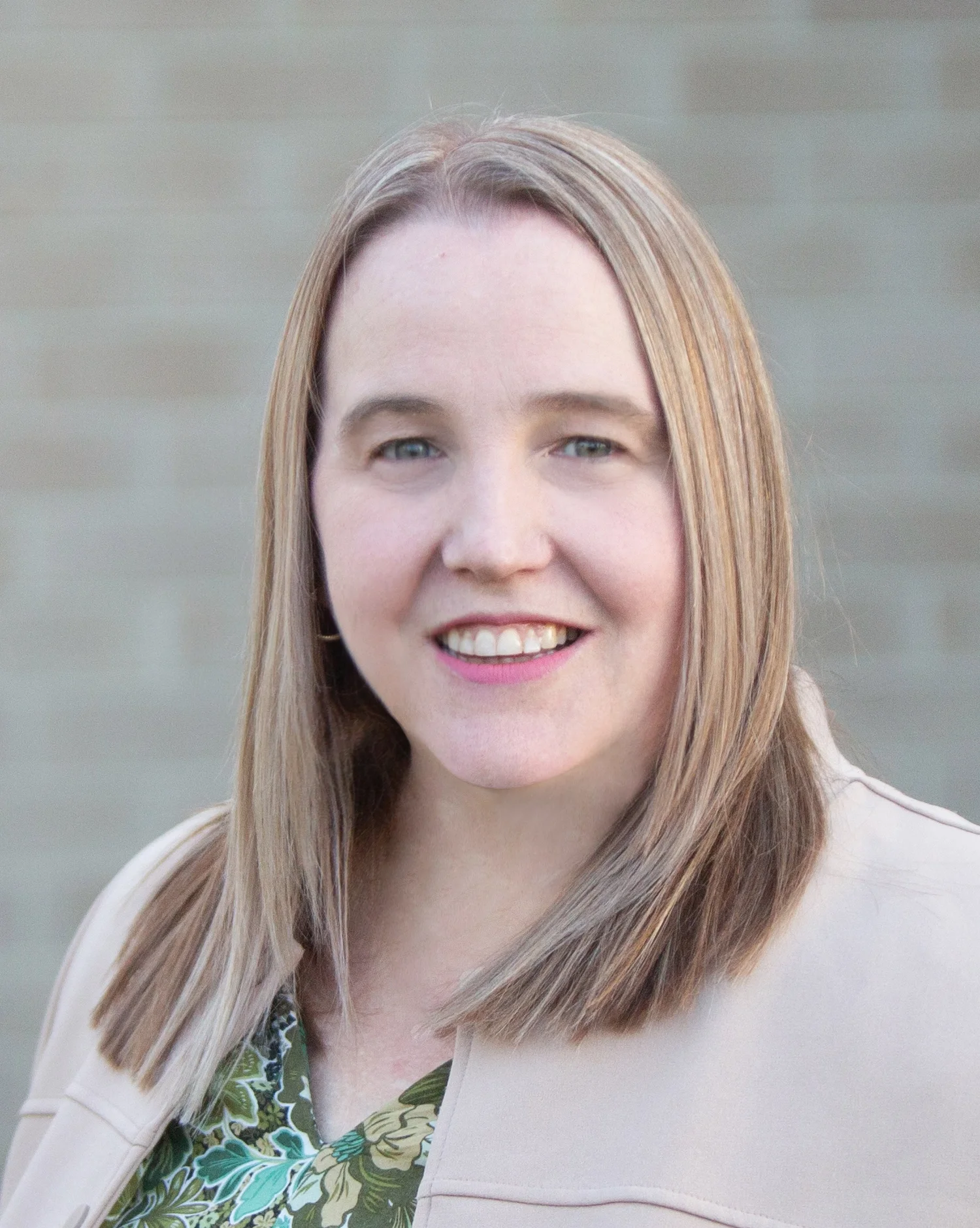

About meI’m Kylie Walls, a registered psychologist who utilises evidence-based approaches, particularly Schema Therapy, to help people understand and shift longstanding emotional and relational patterns
I work with both individuals and couples
I support people whose difficulties persist despite insight or previous therapy
My approach is collaborative, compassionate, and values-guided
I’m interested in how earlier relational or systemic experiences shape present-day difficulties, and in working with these experiences in ways that support greater choice and flexibility.
I aim to create a safe, thoughtful therapeutic space that supports deeper therapeutic work.
I welcome clients from all backgrounds
I’m able to offer a faith-sensitive approach where this is relevant and desired


let's get started