
Schema Therapy for Trauma & Abuse Recovery
Kylie Walls - Online Psychologist Australia

“Trauma is not defined by what happened alone, but by how the nervous system learned to protect itself — and those patterns can be gently reshaped in therapy.”
Trauma and Abuse Recovery
Experiences of trauma and abuse can have lasting effects on emotional wellbeing, identity, relationships, and a person’s sense of safety in the world. Trauma may arise from a single overwhelming event, or from repeated experiences over time, including emotional, physical, sexual, or psychological abuse.
Many people find that even after the immediate danger has passed, their nervous system and emotional responses continue to react as though the threat is still present. This can show up as anxiety, panic, emotional numbness, hypervigilance, avoidance, or ongoing difficulties in relationships.
Schema Therapy offers a space to slow this process down, make sense of what has happened, and begin rebuilding safety, stability, and trust.

How Trauma Affects the Mind and Body
Trauma is not just something that happens to a person — it is something that happens within the nervous system. After trauma, the brain and body may remain on high alert, scanning for danger and reacting quickly to perceived threat.
Common trauma responses include:
intrusive memories or distressing reminders
heightened anxiety or panic
emotional numbness or shutdown
avoidance of people, places, or situations
strong emotional reactions that feel sudden or out of proportion
difficulties with trust, boundaries, or self-worth
These responses are understandable survival reactions that once helped protect against harm. The focus of schema therapy for trauma and abuse recovery is on developing insight into these patterns, strengthening emotional coping, and finding new ways to respond to challenges with greater flexibility and self-understanding. Over time, this work supports a renewed sense of clarity, resilience, and emotional wellbeing.
the types of trauma and abuse that I work with: ✾
Emotional & Physical Abuse
This abuse may include chronic criticism, manipulation, gaslighting, intimidation, or erosion of self-worth.
✾
Physical abuse
Experiences involving physical harm, threat, or fear, whether in childhood or adulthood.
✾
Sexual abuse and sexual trauma
Including abuse in childhood or adulthood, boundary violations, grooming, and experiences involving coercion or exploitation.
✾
Domestic and family violence
Exposure to controlling, threatening, or abusive dynamics within intimate or family relationships. Including experiences of Coercive Control.
✾
Relational trauma
Harm experienced within close relationships, including betrayal, abandonment, or chronic relational instability.
✾
Spiritual or faith-related trauma
Experiences where religious beliefs, authority, or community dynamics contributed to harm or distress.
For more specialised information about this area, see my other website: Refuge Psychology.
✾
Childhood trauma and neglect
Including emotional neglect, inconsistent caregiving, exposure to conflict, or environments where safety and needs were not reliably met.
✾
Organisational or institutional trauma
Experiences of harm within systems or organisations where power was misused or safety was compromised.
✾
Medical trauma
Distress following medical procedures, illness, injury, childbirth, or experiences where care felt frightening, overwhelming, or out of one’s control.
✾
Complex or developmental trauma
Trauma arising from repeated or long-term exposure to unsafe or invalidating environments, often shaping identity, attachment, and relational patterns.
✾
Trauma related to high-control or coercive environments - including cults and hig-control churches
Including environments characterised by excessive control, fear, or compliance demands.
For more specialised information about this area, see my other website: Refuge Psychology.
✾
Workplace bullying and harassment
Ongoing exposure to intimidation, exclusion, excessive criticism, or misuse of power in workplace settings, often leading to anxiety, burnout, and loss of confidence.
Schema Therapy helps you make sense of your feelings, reactions, and experiences, while developing a clearer understanding of how context has shaped them.
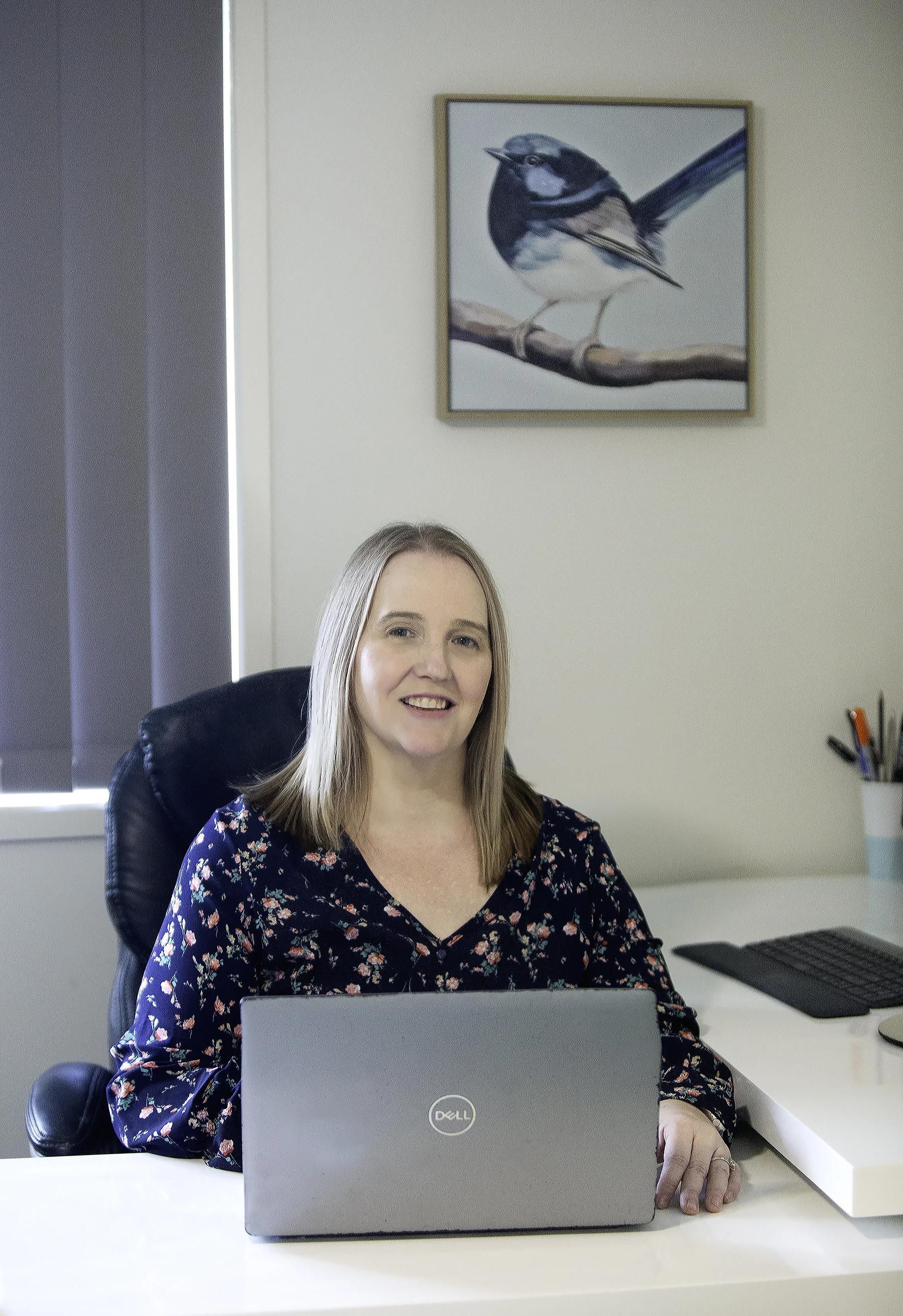
About KylieHi, I’m Kylie Walls, a registered psychologist
My work is shaped by professional training, research, and experience across education, community, and private practice settings. I work with adults and couples experiencing a range of concerns, including anxiety, depression, trauma, OCD, stress, burnout, relationship and communication difficulties, and challenges related to identity, belonging, and life transitions.
A central focus of my work is supporting individuals and couples who experience long-standing or recurring patterns that affect emotional wellbeing and relationships. These patterns may involve self-criticism, emotional withdrawal, people-pleasing, fear of abandonment, emotional reactivity, anxiety associated with the family system, or repeated relationship difficulties. I primarily use schema therapy, an evidence-based approach designed to help people understand where these patterns developed and how to change them in meaningful and lasting ways.
I also use a schema therapy for couples approach to work with couples to understand and change unhelpful relational patterns, strengthen emotional connection, and process and recover from infidelity in a structured and supportive therapeutic space.
My approach is compassionate, structured, and ethically grounded, with careful attention to both individual experience and the relational dynamics that shape behaviour, emotions, and connection. Schema Therapy includes experiential, relational, and cognitive strategies to support healthier ways of relating to yourself and to others.
Have questions about mental health support?

Q&A-
No. Many people experience trauma-related symptoms without meeting criteria for PTSD. Some present with acute symptoms for a short time after a traumatic event, but these settle with time and processing. However, others find that their symptoms remain acute or settled for a while and then remerge later and present through sudden panic, nightmares, or patterns of avoidance. Schema therapy can be helpful whether symptoms are long-standing, intermittent, or situational, and whether or not a formal diagnosis applies.
-
Yes. If you have a current Mental Health Treatment Plan from your GP, you may be eligible to receive a Medicare rebate for up to 10 individual psychology sessions per calendar year. These rebates help reduce the out-of-pocket cost for each session. You’ll need to provide a copy of your referral letter and MHTP prior to your first appointment.
-
Although there are some presentations that I cannot safely treat online, I work with individuals experiencing a range of mental health concerns, from mild anxiety or low mood through to more complex challenges such as PTSD, dissociation, religious trauma, and OCD. If your presentation is more complex, I will work collaboratively with your broader care team (e.g., psychiatrist, GP, or support worker) where appropriate, to ensure you receive safe and effective care.
Online therapy is offered as long as it is deemed clinically appropriate and safe for your specific needs. -
Yes. Research shows that online therapy can be just as effective as face-to-face sessions for a wide range of concerns, including depression, anxiety, trauma, and relationship issues. It also offers convenience, privacy, and access to support regardless of location. All sessions are conducted via a secure telehealth platform.
-
Panic and intense anxiety are common trauma responses. Schema Therapy focuses on helping the nervous system feel safer, increasing tolerance for distress, and reducing the need for avoidance or control. Over time, reactions often become less intense and more manageable.
Schema Therapy can be particularly helpful for individuals whose depression is linked to long-standing patterns of thinking and relating that have developed from earlier experiences. It helps uncover and address deeply held beliefs — or “schemas” — about oneself and the world, such as feelings of failure, unworthiness, or fear of rejection. By understanding how these patterns formed and how they influence current emotions and relationships, clients can begin to respond to life’s challenges with greater self-compassion, resilience, and flexibility. Over time, this process supports emotional healing and helps build a more stable and positive sense of self.
-
Avoidance is a very common response to trauma. While it can reduce distress in the short term, it often reinforces fear over time. Schema therapy helps people gently understand avoidance patterns and build capacity to re-engage with life in a way that feels safe and paced.
-
No. Trauma therapy does not require detailed retelling of events unless and until it feels appropriate. The focus is on stabilisation, understanding patterns, and building internal safety. You remain in control of what is shared and when.
-
There is no fixed timeline. Often people notice early shifts in understanding and emotional regulation, while deeper healing occurs gradually. Therapy is collaborative and tailored to individual needs and readiness.
To take the next step, book an confidential online session with psychologist Kylie Walls and access compassionate, trauma-informed support wherever you are in Australia.
Areas of Interest
I work with individuals and couples who may be:
Individuals
Experiencing mental health concerns such as anxiety, depression, trauma, OCD, stress, grief, or difficulties related to life transitions
Feeling stuck in long-standing emotional or relational patterns, including self-criticism, emotional withdrawal, people-pleasing, shame, or fear of abandonment
Navigating complex family dynamics, including conflict, estrangement, boundary difficulties, intergenerational patterns, or ongoing family stress
Recovering from relational harm, coercive control, or experiences of domestic and family violence
Managing the emotional impact of high-pressure, high-responsibility, or controlling environments, including workplaces, organisations, and religious settings.
Seeking support with identity, belonging, or sense of self, particularly where past experiences continue to shape present relationships
Couples
Experiencing ongoing communication difficulties, conflict, or emotional disconnection
Wanting to better understand and change entrenched interaction patterns that repeat despite effort or insight
Working through breaches of trust, including infidelity, and seeking support with repair and reconnection
Navigating the impact of family-of-origin dynamics, blended families, parenting stress, or external pressures on the relationship
Seeking to strengthen emotional safety, responsiveness, and mutual understanding within the relationship
Inclusive and Client-Led Care
I welcome individuals and couples from all backgrounds. Therapy is collaborative and tailored to your needs, values, and goals, with a focus on compassionate, trauma-informed, and ethical psychological care. For clients who value a faith-sensitive approach, I work with awareness of religious beliefs and contexts where this is relevant to their experience.
This is a space shaped by your experiences and what you hope to understand and change.




let's get started